Yuriko Hayashi
I Survived by Miracles
6. Published in Children of the A-Bomb by Arata Osada
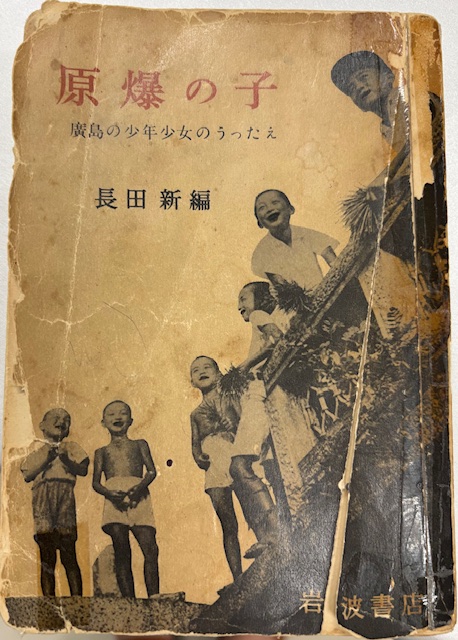
In 1951, the year I was forced to go to the ABCC, my life changed. Another big event in the same year was that I wrote a memoir which was published in the book, Children of the A-Bomb, edited by Arata Osada, a Hiroshima University professor.
When I was in the second year of junior high school, my Japanese teacher told the class to write about their A-bomb experiences, although there were only two hibakusha in our class. Writing at home, I remembered so many things that I had blocked till then.
105 stories were chosen from about 1000 stories written by boys and girls in elementary, junior high and high school in Hiroshima city and suburbs. I never thought that my memoir would be published in the book, but in October, Children of the A-Bomb was published byIwanami Shoten. Before that, we weren’t even told that book had been published. In February of the next year, about 50 of the 105 children who wrote their memoirs were invited to the Literature Faculty of Hiroshima University. When we arrived there, many notable people of Hiroshima attended in full dress.
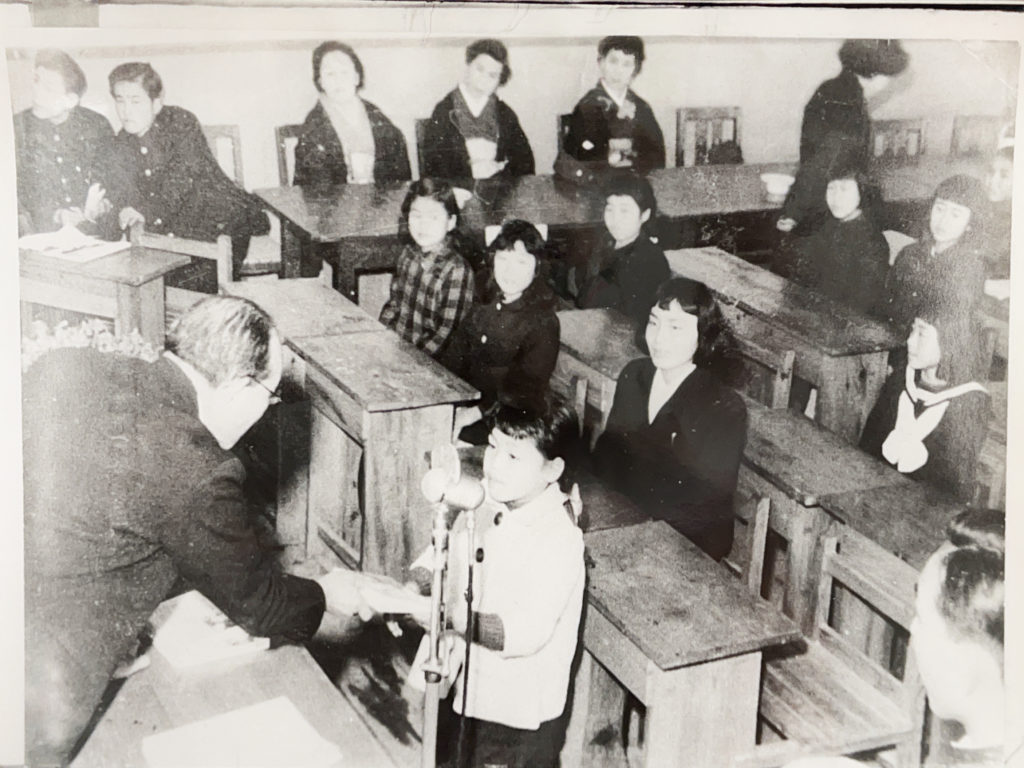
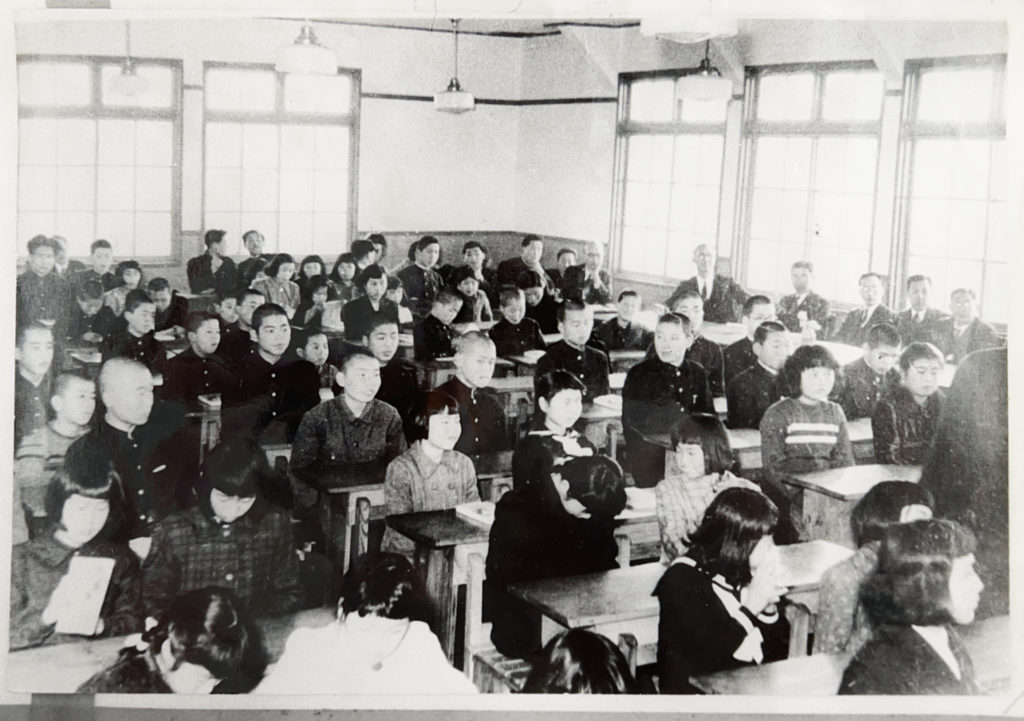
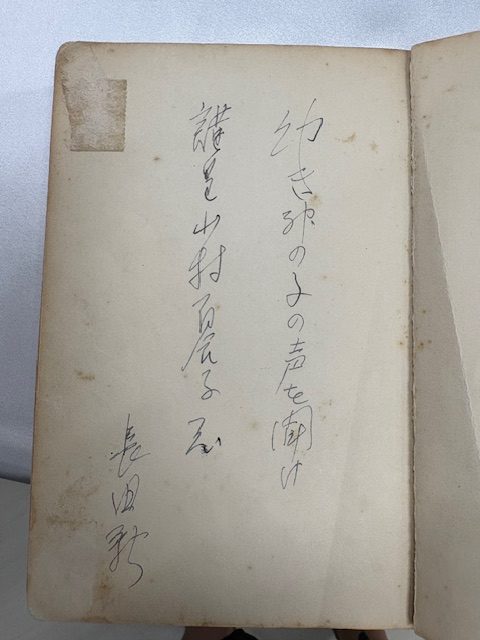
Patting every child’s head, Professor Osada said, “That must have been tough!” and “Keep your chin up!” then, one by one, he handed us the book. He said to me, “Stay healthy and happy always!” On the flyleaf of the book, he wrote, “Listen to the children’s divine voices. Arata Osada.” At that moment, I realized for the first time that my memoir was really published in the book.
This book consisted of the memoirs of the children who were from four years old to junior high school students when the A-bomb was dropped. Six years after the A-bombing, they described those days and their lives through their pure eyes. The book has since been printed 50 times, translated into 18 languages and read by people all over the world.
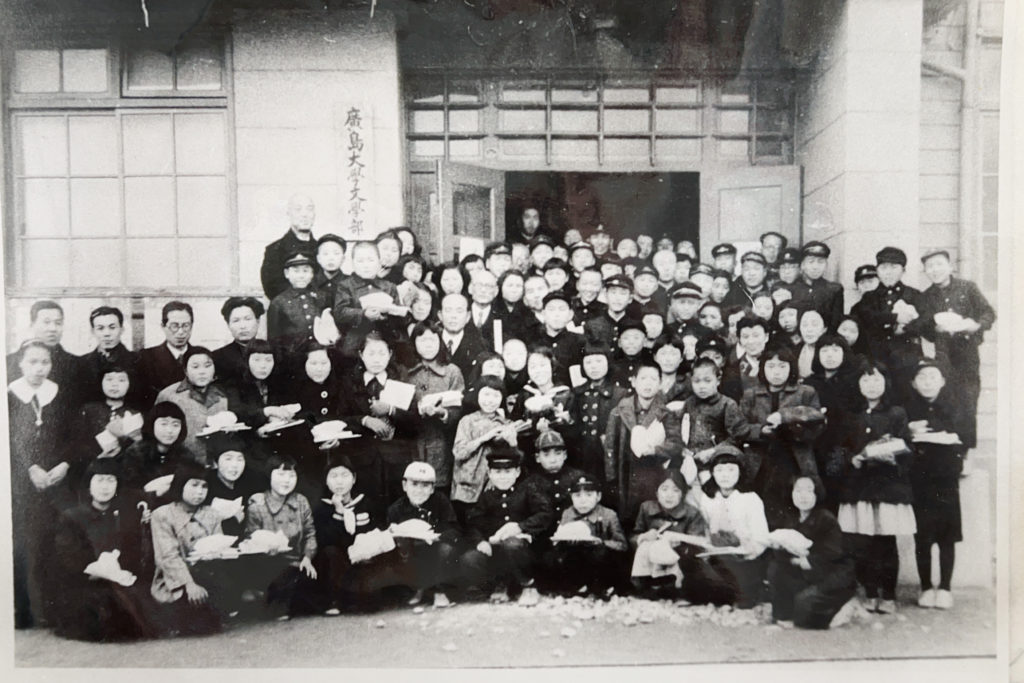
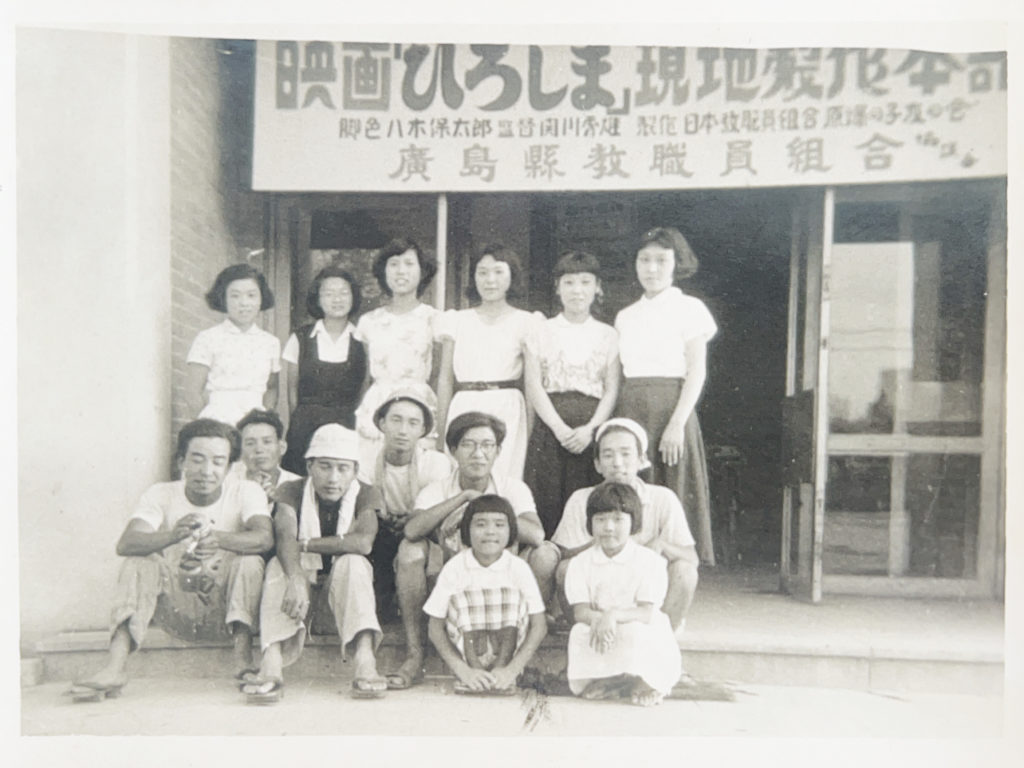
In 1952, Professor Osada gathered 50 boys and girls, some who had and the others who hadn’t experienced A-bombing, and organized a group, “Friends of the Children of the A-Bomb.” We appeared in the drama, Children of the A-Bomb, and in the movie, Hiroshima, directed by Hideo Sekigawa, sometimes appearing as extras in that movie. For the movie, we collected shards of glass and roof tiles. To make burnt clothes, we collected clothes from neighbors and burned them a bit. We made ragged clothes by putting them in mud and scrubbing them by stones. We also sorted out debris by sizes and materials that we had collected. When Professor Osada passed away in 1961 and some members of the group went to university or started working, the organization faded away naturally.
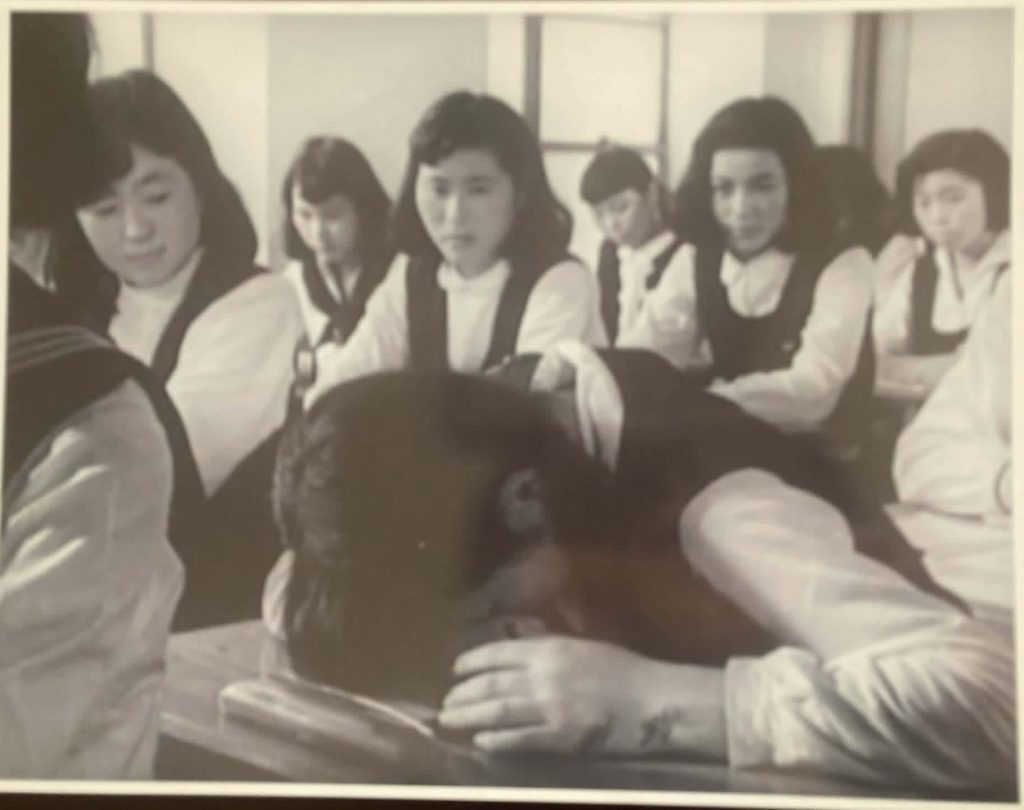
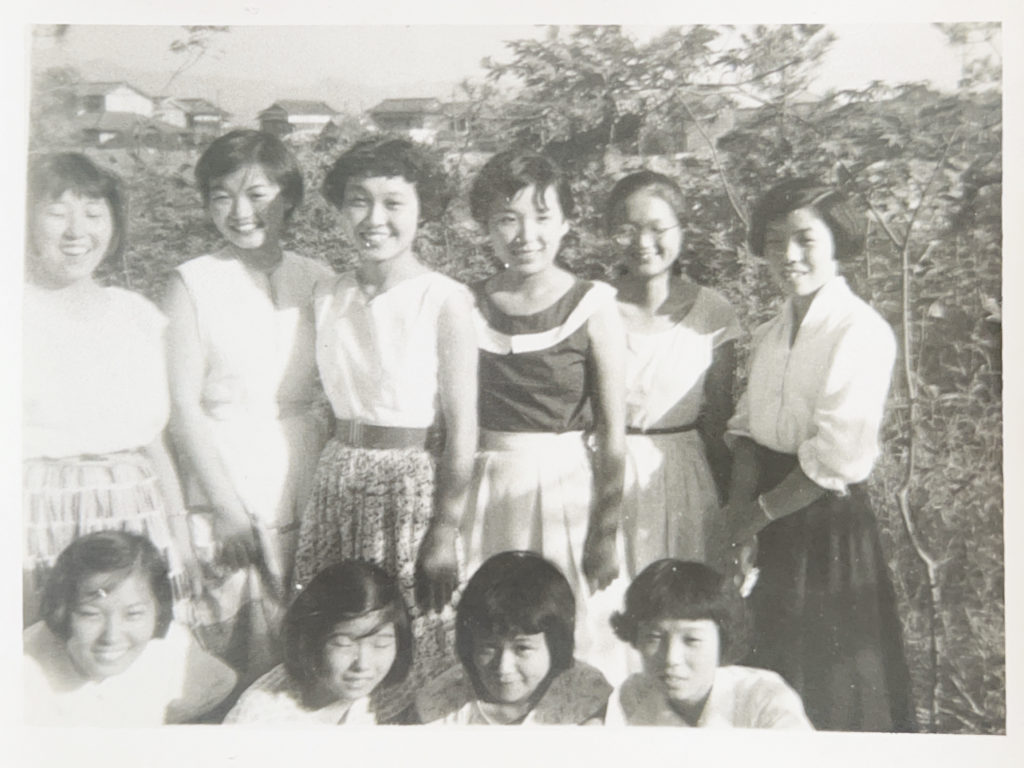
In 1976, the photographer, Hiromi Tsuchida, tried to find the children who had written the memoirs to publish a photo album of us. He searched with few clues, and it took him three years to find us. Thanks to him, out of 105 children whose memoirs were in the book and 87 children whom Professor Osada mentioned in the Preface, he found 107 children. Some had already passed away and some refused to be interviewed or have their photo taken. The children who were found decided to have a meeting once a year, and later we named the group, “Genbaku-no-ko Kyouchiku-kai.” Mr. Tsuchida published the photo album in 1979.
However, nowadays it is impossible to publish a book without having approval from the author. More than a few children had a hard time because their memoirs used their real names in the book, so people knew what they really wanted to hide. Some children had tried to hide their A-bomb experiences, but people who knew about it discriminated against them severely. Because of that, some suffered mentally, some even committed suicide. There were many children who lost their parents by the A-bombing, and most of them were raised by their relatives. Writing about their love and longing for their deceased parents in their memoirs, they had difficult time with their relatives later.
In 2013, Genbaku-no-ko Kyouchiku-kai published the book, Children of the Atomic Bomb Afterwards, which described our lives after the A-bombing. In the survey of 1999, nine of us had already passed away, and we couldn’t get in touch with 20, but 76 were alive out of the original 105.